

In a world overflowing with distractions, minimalistic design stands out as a breath of fresh air. This approach emphasizes simplicity and functionality, stripping away the unnecessary to focus on what truly matters. By embracing clean lines and open spaces, minimalism creates environments that promote clarity and peace.
From architecture to graphic design, minimalistic principles have transformed how people interact with their surroundings. It’s not just about aesthetics; it’s a philosophy that encourages intentional living and mindful consumption. As more individuals seek tranquility in their lives, the appeal of minimalistic design continues to grow, making it a significant trend in various creative fields.
What Is Minimalistic Design?
Minimalistic design focuses on simplicity and functionality, emphasizing clean lines and essential elements. This approach aims to eliminate distractions, allowing for clarity and peace in various creative fields.
Definition and Principles
Minimalistic design prioritizes the essential by removing excess elements. Key principles include:
- Simplicity: Stripping away non-essential components creates focus.
- Functionality: Every design element serves a specific purpose, enhancing usability.
- Balance: Visual elements are arranged to create harmony and cohesion.
- Whitespace: Utilizing empty space enhances the impact of design elements and fosters a clean aesthetic.
- Neutral Colors: A limited color palette promotes a calming atmosphere and supports core design elements.
Historical Background
Minimalistic design traces its roots to early 20th-century art movements, such as De Stijl and Bauhaus, which advocated for form following function. These movements influenced architecture and design, leading to the establishment of minimalism as a defined style in the 1960s. Renowned designers, such as Ludwig Mies van der Rohe, popularized the phrase “less is more.” As modern society increasingly values simplicity, minimalistic design continues to evolve, adapting to contemporary needs and preferences in various creative disciplines.
Key Characteristics of Minimalistic Design
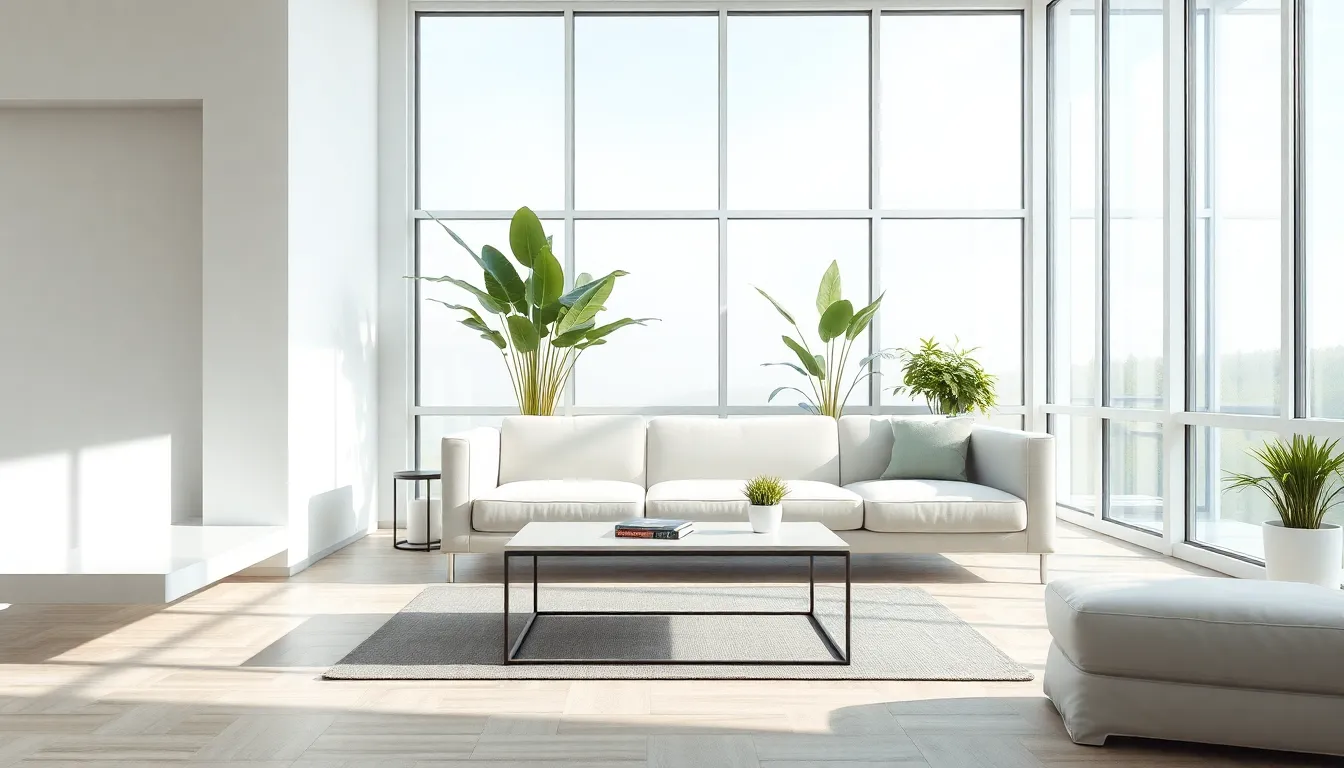
Minimalistic design relies on distinct characteristics, primarily simplicity and functionality, to create effective and aesthetically pleasing environments. These elements foster clarity and enhance user experiences.
Simplicity
Simplicity represents the cornerstone of minimalistic design. Designers strip away clutter, focusing on essential elements that communicate the intended message. Clean lines, open spaces, and a limited color palette enhance the aesthetic appeal. Items serve a purpose; decorative elements become minimal. This approach reduces cognitive overload, helping users process information swiftly and efficiently.
Functionality
Functionality emphasizes practical use in minimalistic design. Each component of a design, whether a piece of furniture or a digital interface, must serve a specific function without unnecessary embellishment. Streamlined layouts facilitate easy navigation and user engagement. This approach ensures that every element contributes to the overall user experience, promoting efficiency and effectiveness. The goal remains to deliver seamless interactions while maintaining a visually pleasing environment.
Benefits of Minimalistic Design
Minimalistic design offers various benefits, making it a favored choice in today’s visually cluttered environment. This approach enhances both aesthetic and functional aspects of design.
Aesthetic Appeal
Aesthetic appeal stems from the clean lines and uncluttered spaces characteristic of minimalistic design. Designers utilize a limited color palette, often featuring neutral tones that create harmony and sophistication. This aesthetic promotes a calming atmosphere, allowing essential elements to stand out, which attracts attention without overwhelming viewers. Minimalistic design’s simplicity often lends itself to timeless elegance, ensuring it remains visually appealing across trends.
Enhanced Usability
Enhanced usability results from the straightforward nature of minimalistic design. By prioritizing functionality, each design element serves a distinct purpose, ensuring that users navigate seamlessly through interfaces or spaces. Minimalistic layouts reduce cognitive overload, allowing users to engage with information more effectively. Features are intuitive and easy to locate, leading to increased satisfaction and efficiency, whether in digital platforms or physical environments.
Examples of Minimalistic Design
Minimalistic design manifests in various fields, most notably architecture and graphic design, showcasing the principles of simplicity and functionality. Here are notable examples in each area.
Architecture
Architecture exemplifies minimalistic design through structures that emphasize clean lines, open spaces, and natural light. Notable examples include:
- Farnsworth House: Designed by Ludwig Mies van der Rohe, this glass house integrates seamlessly with its natural surroundings, focusing on pure functionality and clarity.
- Villa Savoye: Le Corbusier’s iconic residence employs the five points of architecture, promoting harmony between the interior and exterior through simplicity and effective use of space.
- Japadog House: This innovative structure features a streamlined design that focuses on efficiency, using materials like wood and concrete to create a tranquil dining experience with minimal distractions.
Graphic Design
Graphic design embraces minimalism by utilizing space and typography to convey messages clearly. Key examples include:
- Apple’s Branding: Apple’s branding showcases minimalism with its simplistic logos, clean interfaces, and ample whitespace, highlighting the product without unnecessary embellishments.
- Helvetica Typeface: Created by Max Miedinger, this typeface embodies minimalist principles through its no-frills design, allowing for versatility and readability across various applications.
- Dropbox’s Interface: Dropbox employs a clean, intuitive design that minimizes visual clutter, ensuring that users focus on functionality and ease of use, enhancing the overall experience.
These examples illustrate how minimalistic design enhances both aesthetic appeal and usability across architecture and graphic design, serving to create environments that foster clarity and tranquility.
Trends in Minimalistic Design
Minimalistic design continues to evolve, reflecting current innovations and anticipated future directions. These trends demonstrate how minimalism adapts to meet contemporary needs while maintaining its core principles.
Current Innovations
Current innovations in minimalistic design focus on technology integration and sustainable practices. Designers employ augmented reality (AR) and virtual reality (VR) to create immersive experiences while retaining simplicity. Additionally, the use of eco-friendly materials aligns with minimalism’s ethos by reducing environmental impact. Minimalist websites now often feature responsive designs, ensuring seamless user experiences across devices. Furthermore, the adoption of microinteractions enhances usability by providing feedback without overwhelming users with information.
Future Directions
Future directions in minimalistic design emphasize personalization and adaptive interfaces. As user preferences evolve, designers will likely focus on tailoring experiences to individual needs. This could include AI-driven design elements that learn user behaviors and adapt accordingly while maintaining simplicity. The rise of smart home technology may also influence minimalistic approaches in interior spaces, combining functionality with aesthetic appeal. Lastly, collaboration with bold colors and organic shapes may emerge, blending minimalism with maximalist aesthetics to create innovative designs that stand out while preserving clarity.
Minimalistic design stands as a powerful antidote to the chaos of modern life. By embracing simplicity and functionality it cultivates environments that promote clarity and peace. As this design philosophy continues to evolve it adapts to contemporary needs while retaining its core principles. With a focus on user experience and aesthetic appeal minimalism not only enhances usability but also fosters a sense of tranquility.
Looking ahead minimalistic design is poised to integrate personalization and innovative technologies ensuring it remains relevant in an ever-changing landscape. This enduring trend invites individuals to appreciate the beauty of less while providing a canvas for creativity and expression.